- Home
- Destinations, Adventure & Nature
- The Western and Central Andes
The Western and Central Andes
Share This :
Join us as we explore a breathtaking paradise teeming with vibrant wildlife and stunning landscapes. Experience the thrill of birding in one of the most exciting destinations on the planet, where every moment brings the chance to discover incredible species and immerse yourself in nature’s beauty. Don’t miss your chance to be part of this extraordinary journey—book your spot now and create memories that will last a lifetime!
Tour Type
Birding & Nature
Group Size
Max.8 participants
Dates
October 5th - October 17 th 2026
Activity Level - Moderate
•••
- Overview
- Map & Itinerary
- Travel Information
- Download Brochure
- Trip Description
Discover the Avian Wonders of Colombia: A Journey Through the Western and Central Andes
Colombia, the northernmost country in South America, uniquely boasts access to both the Caribbean Sea and the Pacific Ocean. It is the only South American nation where the Andes Mountains split into three distinct ranges—Western, Central, and Eastern Andes—creating a geological marvel that serves as the cradle for one of the richest biodiversities in the world. Covering over one million square kilometers, Colombia ranks among the top 17 megadiverse countries, showcasing a breathtaking array of ecosystems and biomes.
With world records for plant, orchid, mammal, insect, and bird diversity, Colombia is a true paradise for nature enthusiasts. Notably, it claims the title for the highest number of bird species globally, with an astonishing 1,930 different species recorded. Among these, Colombia holds the world record for hummingbird diversity, featuring nearly 200 distinct species. This vibrant country has become a sought-after destination for birdwatchers and photographers alike, offering everything from lush wetlands and cloud forests to glacier-topped mountains. Every corner of this natural paradise promises unforgettable experiences for all who visit.
Join Geo Natura Tour guides Katherine Peña and Gustavo Orozco on an epic journey through the Western and Central Andes, where you’ll discover the incredible avian treasures that Colombia has to offer.
Before we dive into the itinerary, here are some helpful notes about the birds you can expect to see. Our itinerary highlights 311 unique bird species, ensuring you have a rich and varied birdwatching experience without redundancy. Most birds identified at each site are statistically the ones you’re most likely to encounter. Keep in mind that many species may be found at multiple locations, so we’ve listed each bird only once to help you focus on those with the highest observation potential during the trip.
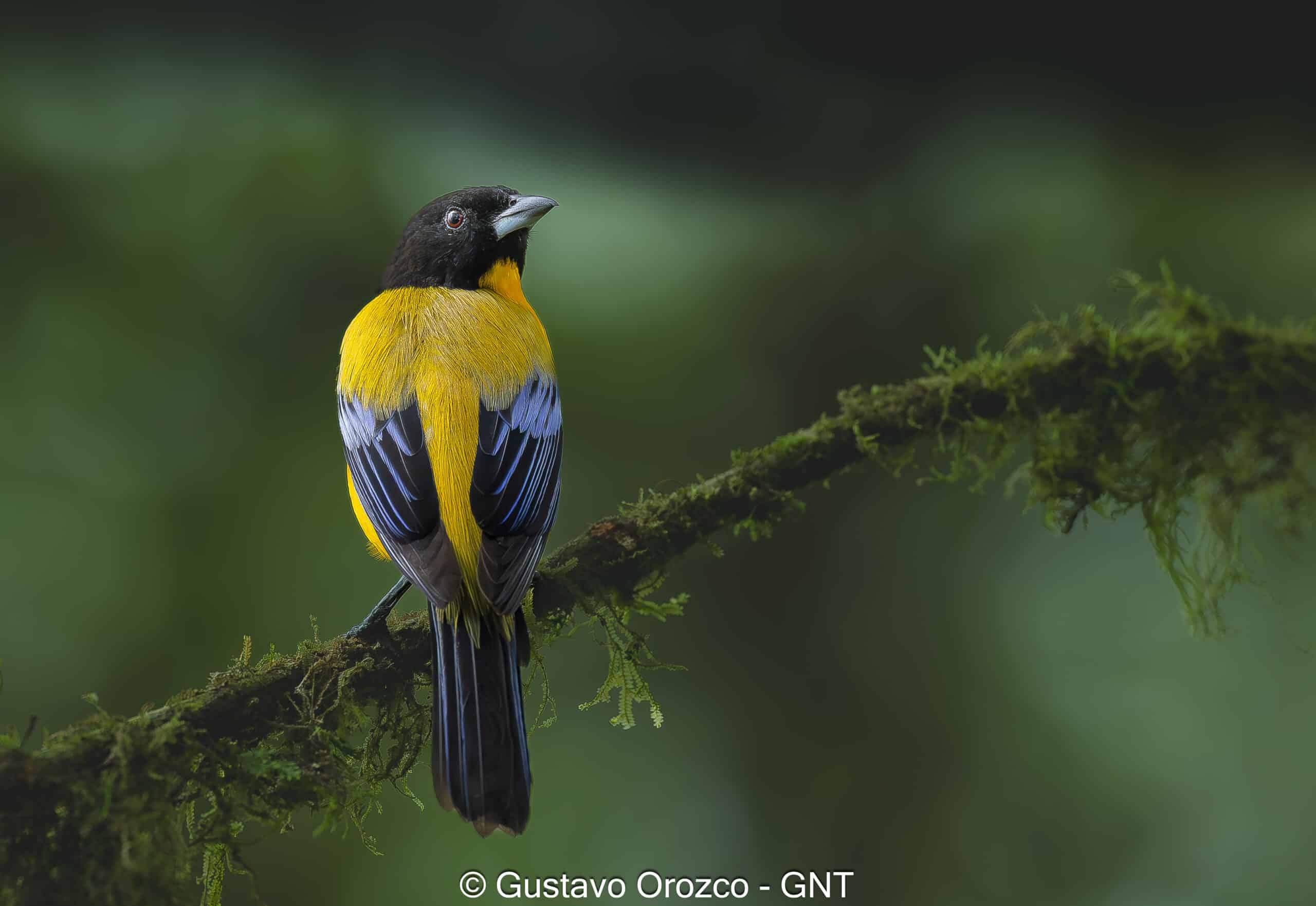
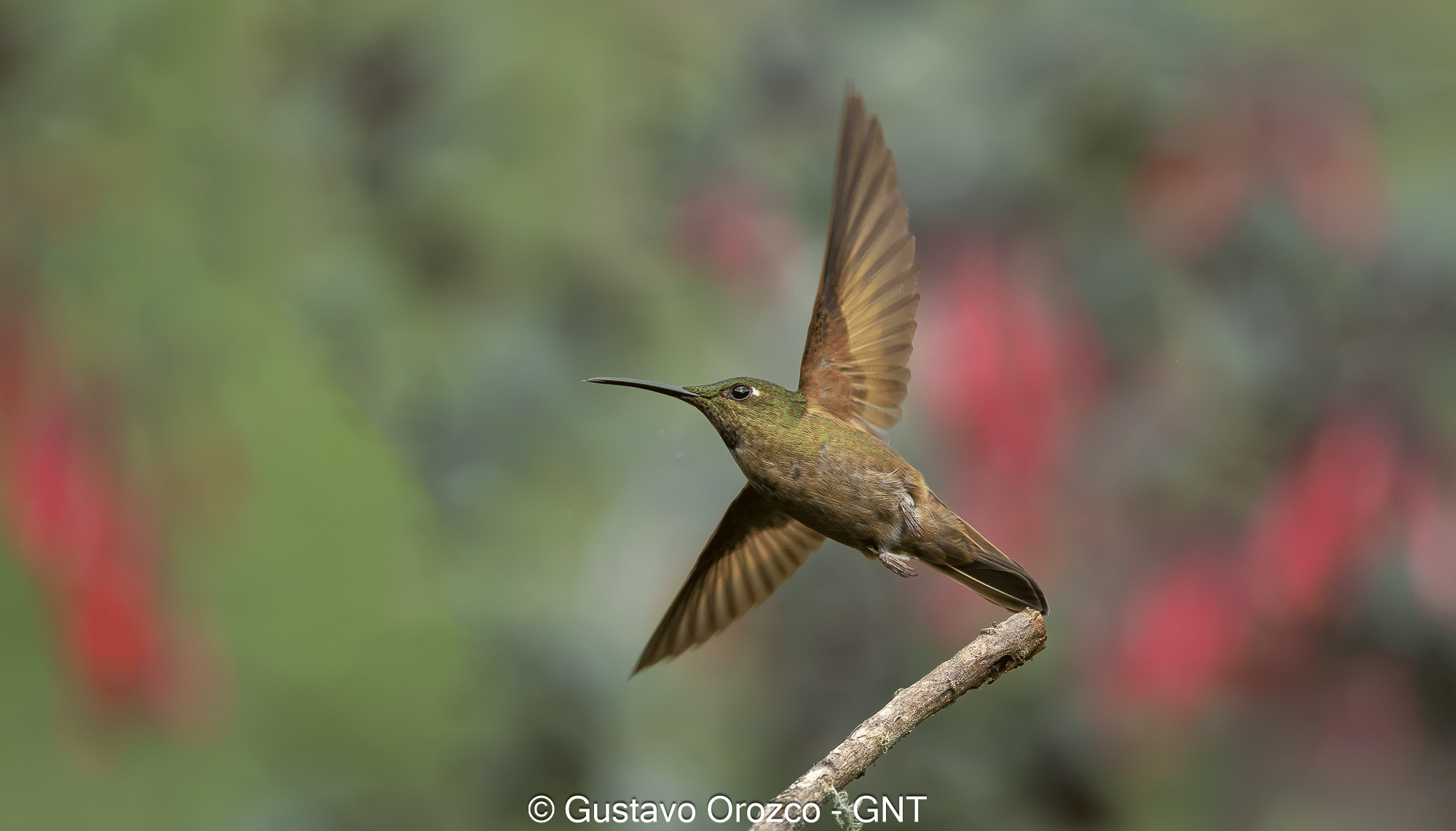
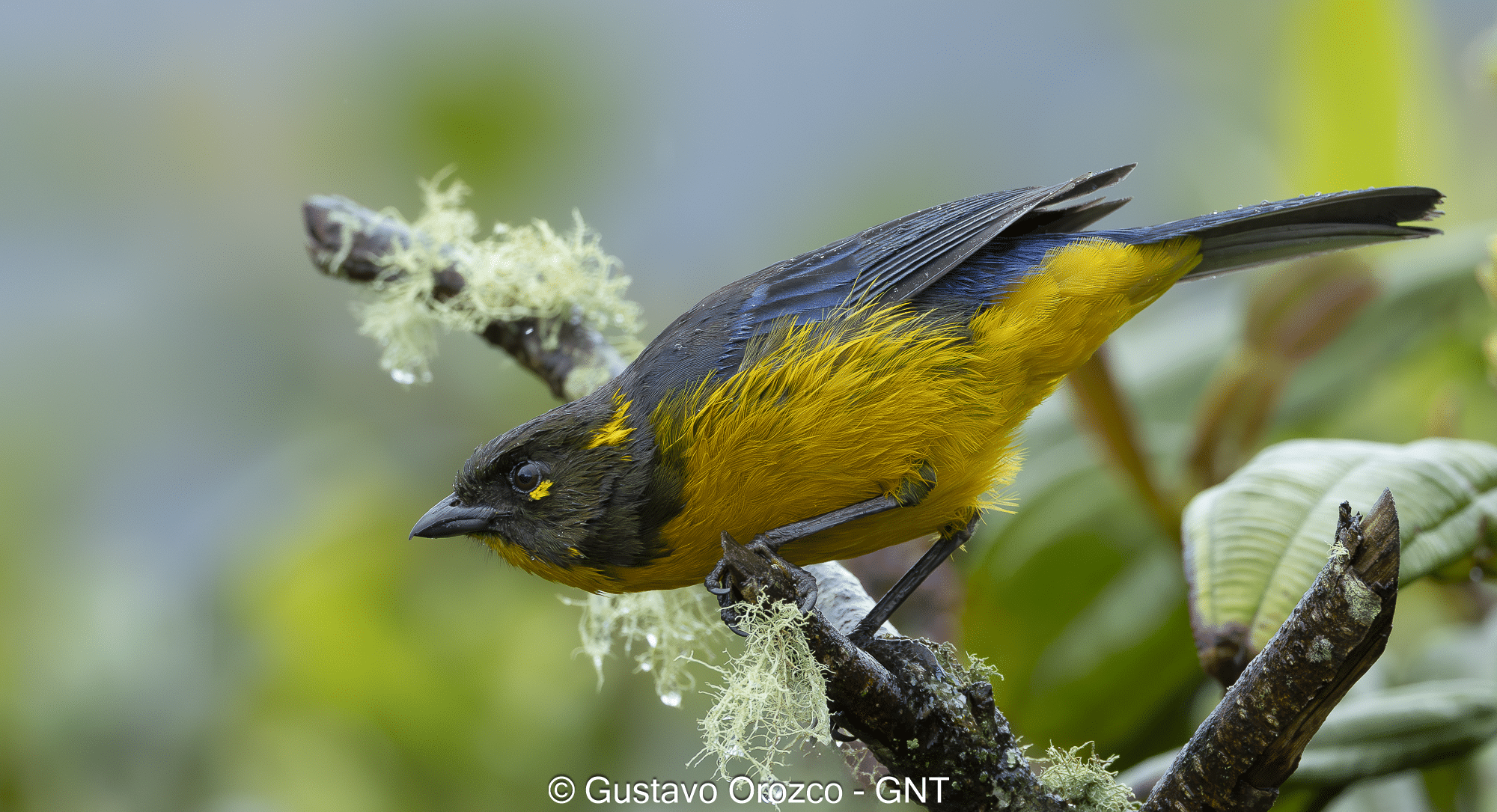
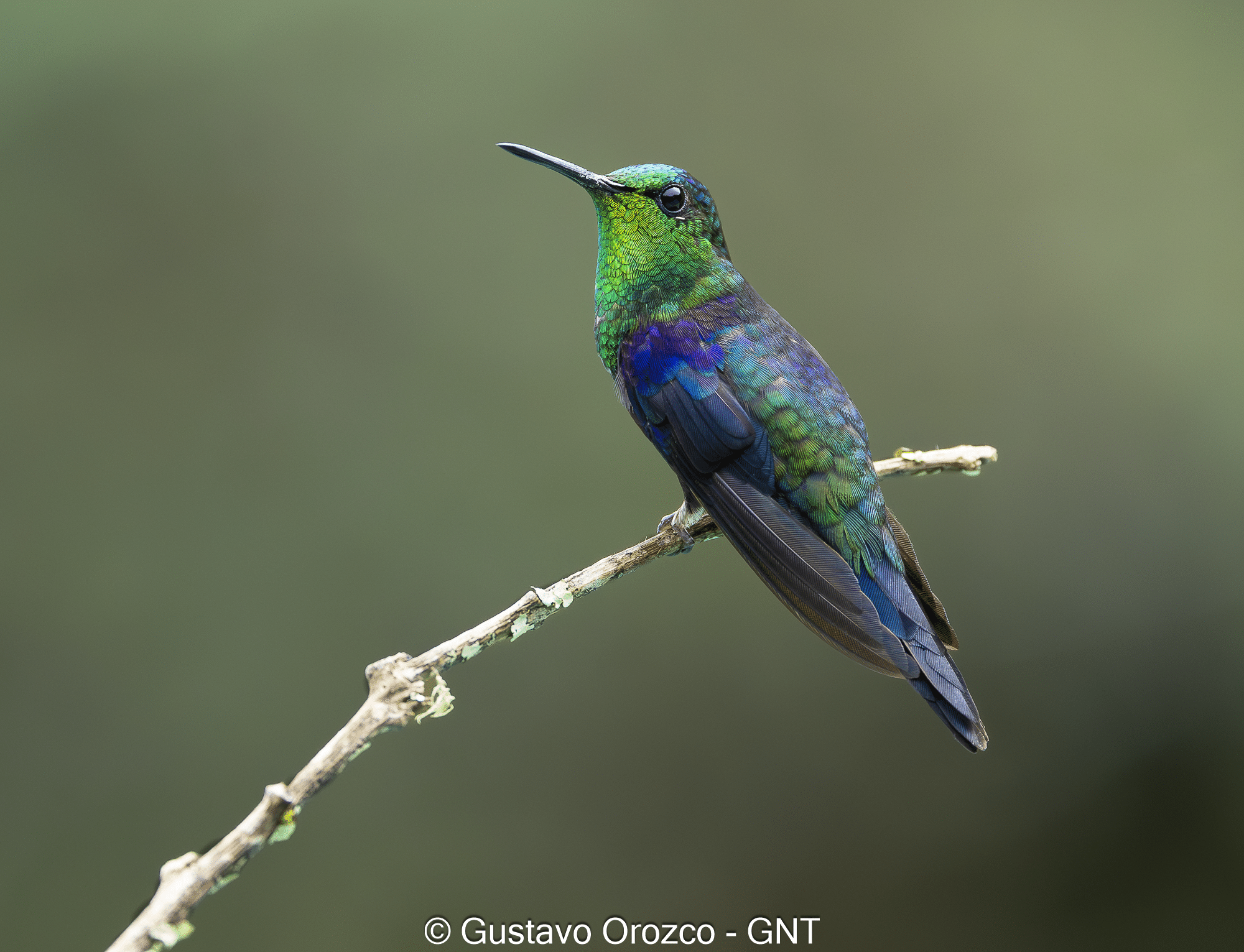
Notably, hummingbirds and tanagers comprise nearly a third of the species on our list, with 48 hummingbird and 50 tanager species grouped by family for your convenience. And don’t forget to expect the unexpected—delightful birding surprises are a hallmark of Geo Natura Tours!
Colombia is home to 83 endemic and 187 near-endemic bird species. Our itinerary highlights 16 endemic and 31 near-endemic species, denoted as follows:
(E) = Endemic to Colombia
(NE) = Near Endemic – shared across the Colombia/Ecuador border
So, let’s embark on this unforgettable birding adventure together!
Note: For a personalized experience, we can arrange a private tour at your convenience any time of the year. Please reach out to us—we’re excited to assist you in planning your adventure!
- Map Overview
Araucana Lodge
Eco Hotel Hacienda El Diamante
Montezuma Rainforest Ecolodge
Hacienda El Bosque
Kumandai
- Itinerary
We’ll meet you when you arrive in Cali, which is one of the most important cities on the Pacific side of Colombia and the capital of the Department of the Cauca Valley. The valley takes its name from the Cauca River that drains to the Magdalena River, one of the largest rivers in northern South America. Cali is surrounded by forested areas and has a lot of green spaces within the city. And, by-the- way, it is also recognized as the world’s “capital of Salsa.” You will be met by Gustavo and Katherine and we will drive for about an hour in our travel van to our first “home- away-from-home”
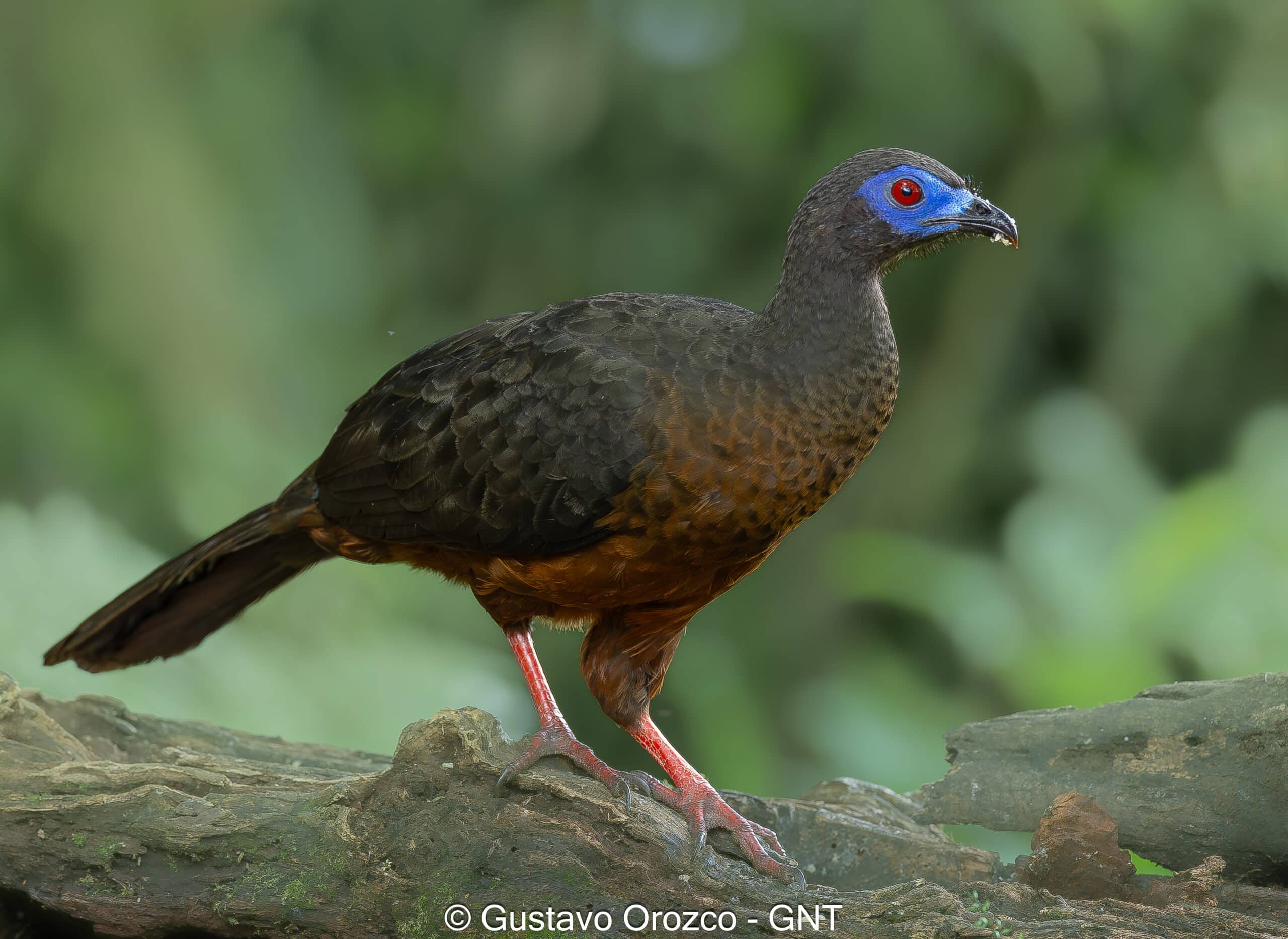
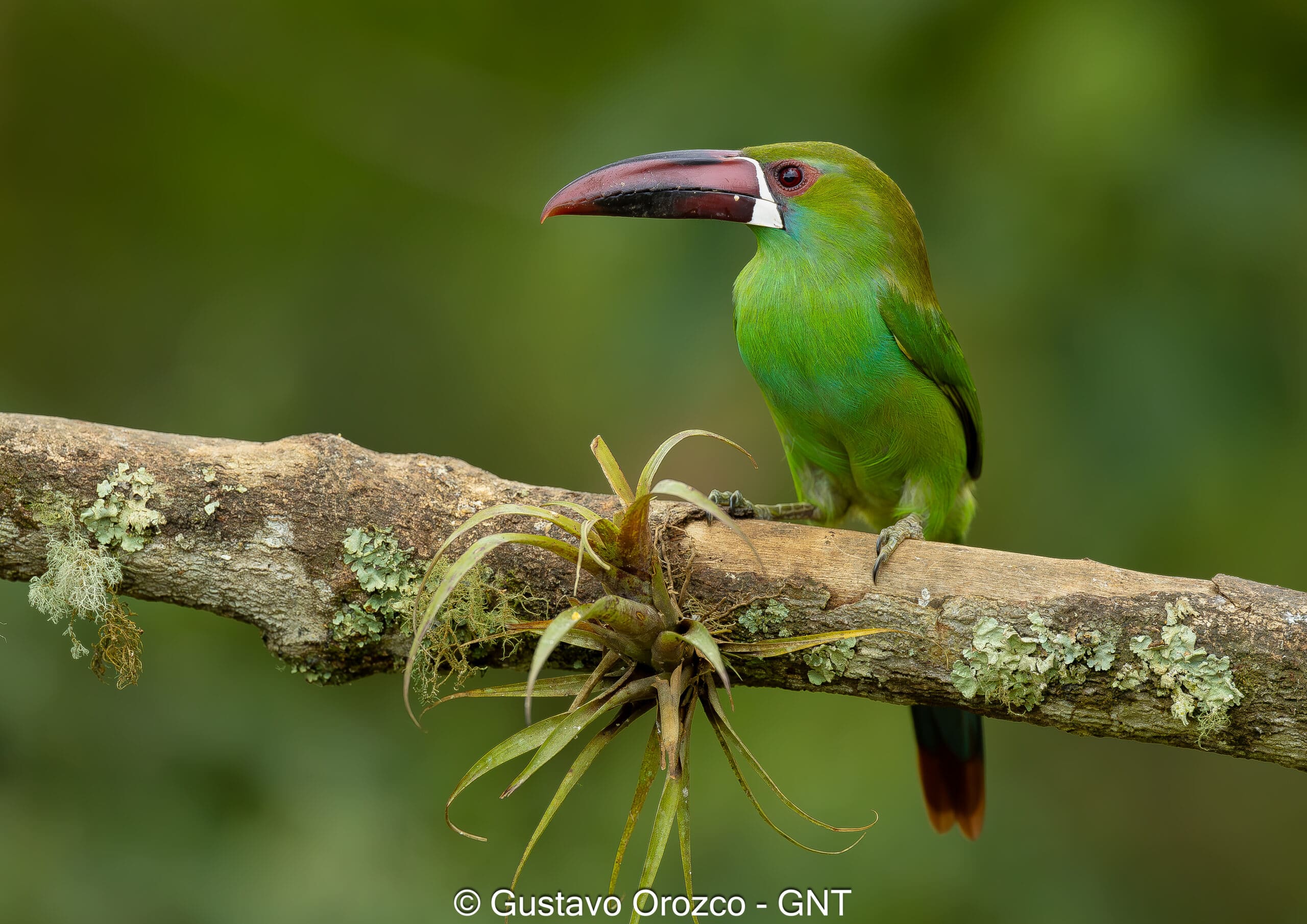
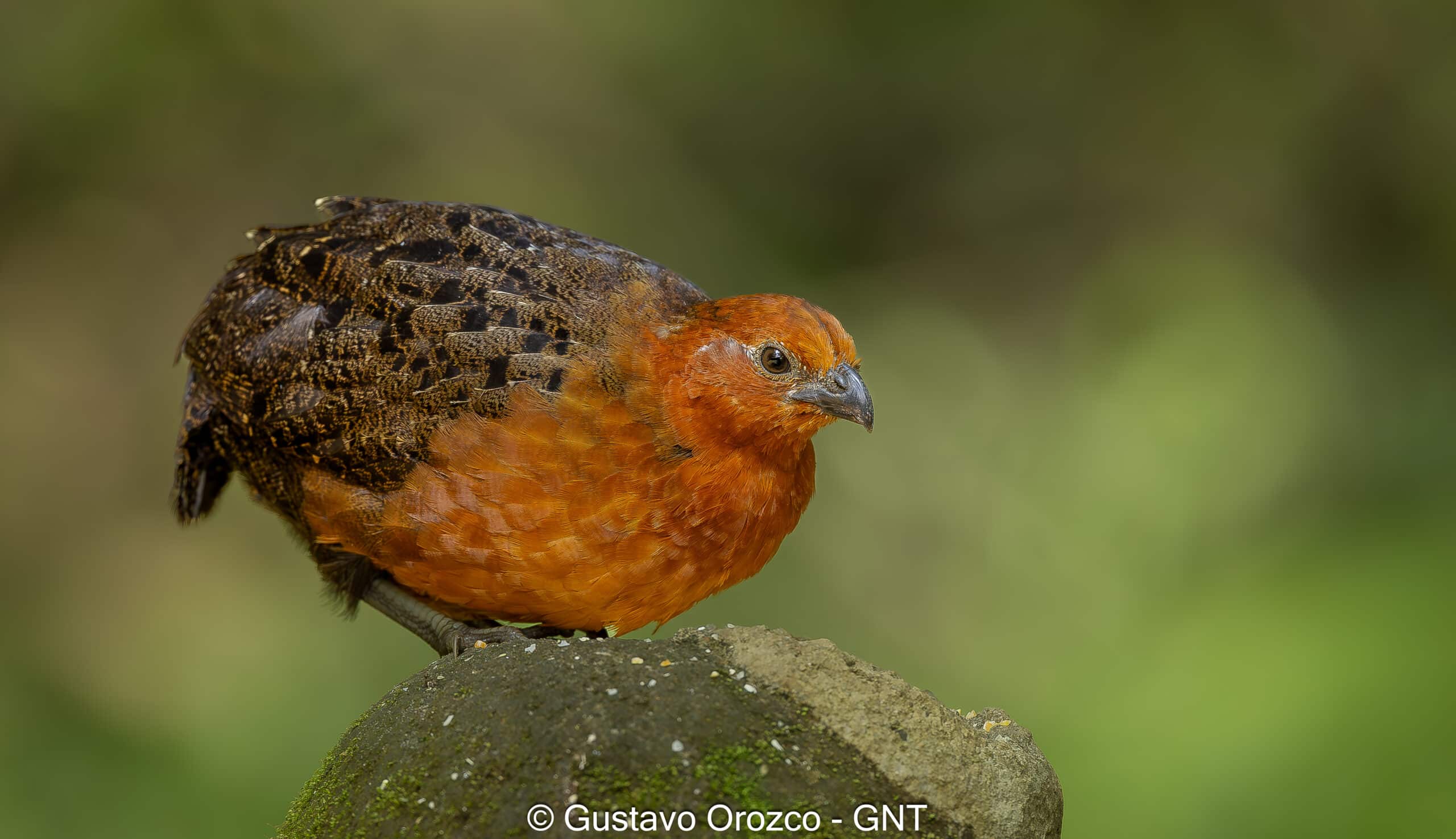
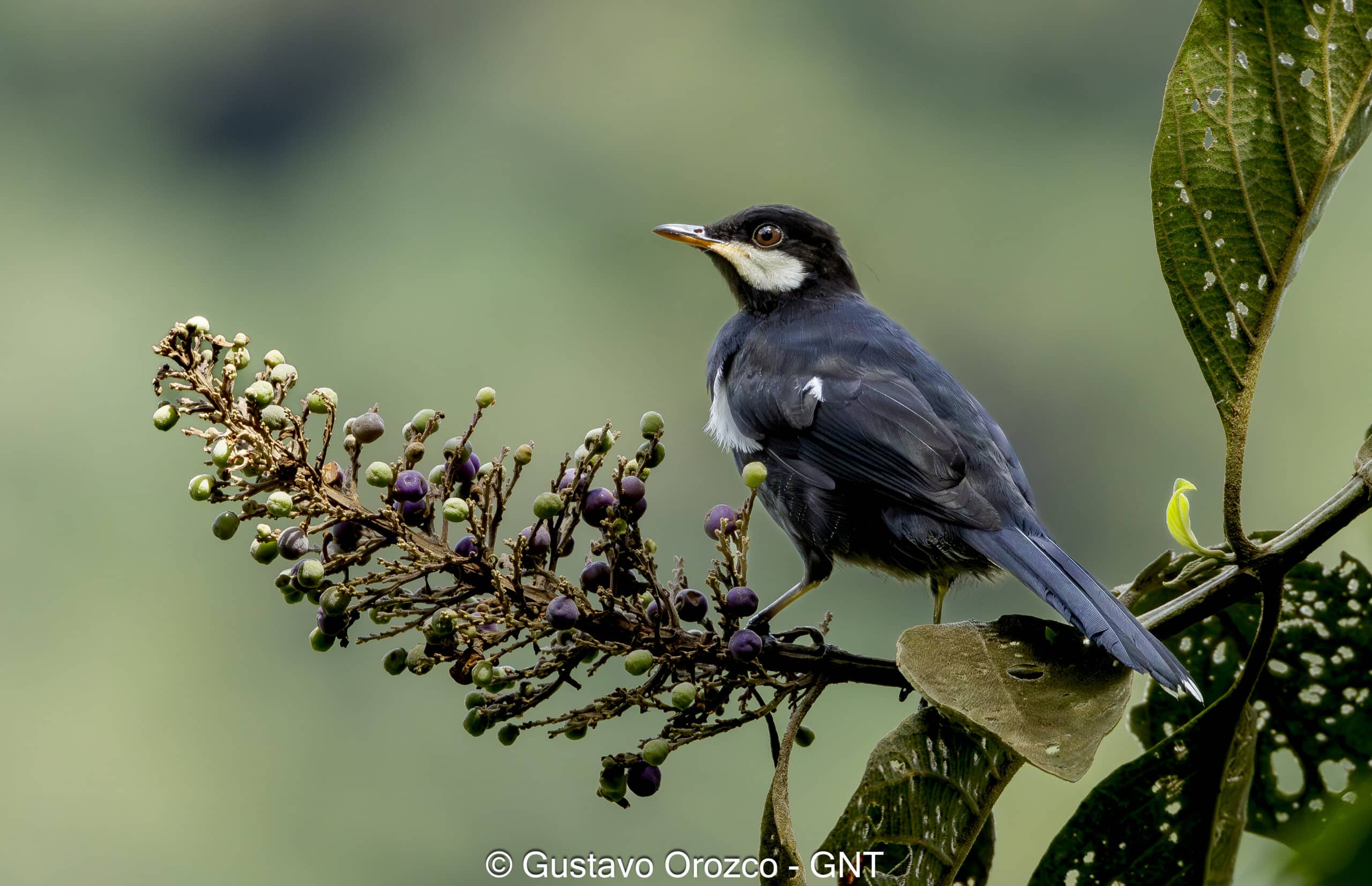
Today it’s a full day of “eye-popping” birding as we explore KM 18 off Route 19 (Cali-Dagua Highway) with its multiple habitats and ecosystems. We will plan our time around KM 18 to take advantage of several feeding stations in the area to optimize our opportunities to find many (if not most) of the following: Colombian Chachalaca (E), Chestnut Wood-Quail (E), Little Tinamou, Collared Trogon, Andean Motmot, Red headed Barbet, Crimson-rumped Toucanet, Smoky-brown Woodpecker, Bar-crested Antshrike (NE), Scaled Antpitta, Scaled Fruiteater, Montane Woodcreeper, Barred Becard, Bright-rumped Attila, Andean Solitaire, Black-billed Thrush, Rusty margined Flycatcher, Saffron Finch, Yellow-bellied Seedeater, Black-winged and Streaked Saltators. Let’s also look forward to finding a small multitude of hummingbirds, including the White-necked Jacobin, Brown Violetear, Green Hermit, Tawny- bellied Hermit, Black-throated Mango, Fawn-breasted Brilliant, Buff-tailed Coronet, White- booted Racket-tail, Greenish Puffleg, Western Emerald, Andean Emerald, Purple-throated Woodstar (NE), Steely- vented and Rufous-tailed Hummingbirds. As well we’ll find a full palette of tanagers, including the White-lined, Black capped, Flame-rumped, Golden-naped, Scrub (NE), Blue-necked, Golden (NE), Bay-headed, Saffron-crowned, Metallic-green, Beryl- spangled, and (with good luck) the iconic Multicolored Tanager (E), as well as the Chestnut- capped Brushfinch, Orange-bellied and Golden-rumped Euphonias, Blue-naped Chlorophonia and the Ashy-throated Chlorospingus.
We’ll have an early morning climb to the upper Anchicayá region facing the Pacific side of the Western Andes. Here at El Descanso (Doña Dora) KM 55 off Via Buenaventura - we’ll be visiting an Andean Cock-of-the-Rock lek to find that beautiful cotinga species and then birdwatch around the area in search of new “lifers” among the following: the Blue tailed (Chocó) Toucan (NE), Toucan Barbet (NE), Golden-faced Tyrannulet, Bay Wren and the Tricolored Brushfinch. Of course we’ll continue to have an eye out for new hummers like the Green Thorntail, Velvet- purple Coronet (NE), Empress Brilliant (NE) and the Rufous-gaped Hillstar (formerly White- tailed Hillstar). We’ll also look for more new tanagers such the Rufous-throated (NE), Glistening-green (NE) and Silver-throated Tanagers, along with the Green Honeycreeper. We’ll do our best to save enough time to drive to the lower Anchicayá region (Ladrilleros) where we’ll search for the Lita and Cinnamon Woodpeckers, Spot- crowned Barbet, Rufous Motmot, Thicket Antpitta, Spotted Woodcreeper, Purple throated Fruitcrow, Long-tailed Tyrannulet, Slaty- capped Shrike-Vireo, White-thighed Swallow, Scaly- breasted Wren and the Scarlet-rumped Cacique. Anchicayá is one of the only areas in Colombia to find the super-rare Long-wattled Umbrellabird (NE) (last listed in October, 2021). Different tanagers to look for at Ladrilleros include the Gray-and-gold (NE), Dusky-faced, Scarlet-browed, Golden-hooded, Rufous-winged (NE), Scarlet-and-white (NE), Golden- chested (NE), Blue-whiskered, and Emerald Tanagers as well as the Blue Dacnis.
We’ll make an early start today to arrive at the San Cipriano- Nature Reserve (off Route 40
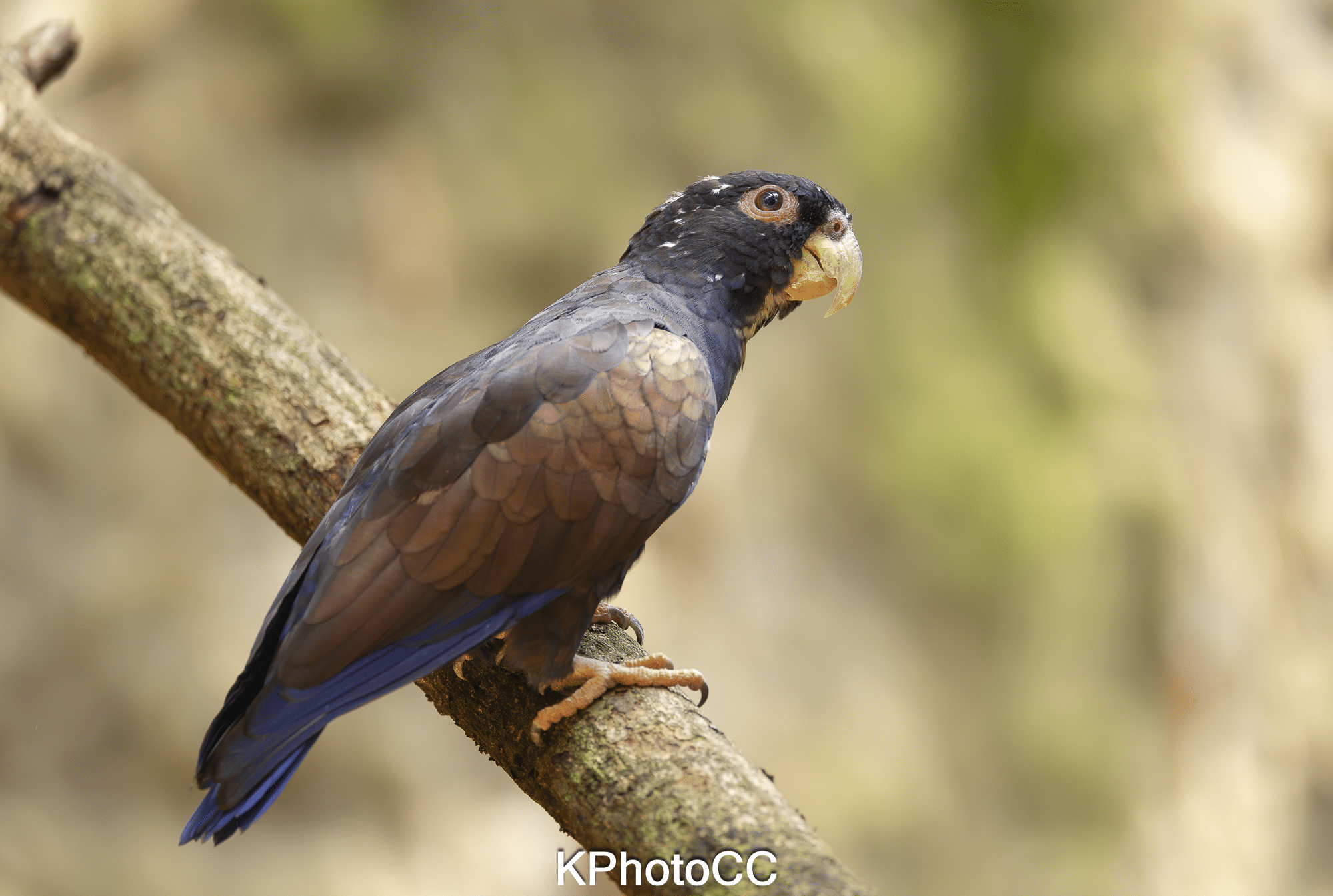
south of Zaragosa) in time for morning bird activity. In the Buenaventura area, where we will spend much of the day, we should expect to find an entirely different set of birds - and the environment will be hot and humid. Birding will mostly be in San Cipriano, an isolated village accessible only by “brujitas” (pronounced “brew-hee-tas,” meaning “little witches”). As there are no roads to San Cipriano, people usually reach the village by motorcycle-powered wooden platforms with seats on top that circulate along an ancient railroad track. On the far side of the village a main trail follows a crystal-clear river and side-trails enter into the rainforest. Once again, the diversity here is staggering with possibilities of seeing among others the Great Tinamou, Dusky Pigeon (NE), White-whiskered Hermit, Tooth-billed Hummingbird, White-tailed Trogon, Black-breasted Puffbird, Five-colored Barbet (NE), Black- cheeked Woodpecker, Rose-faced Parrot (NE), Black-crowned Antshrike, Stub-tailed and Spotted Antbirds, Golden-collared Manakin, Black-tipped Cotinga, Black-capped Pygmy- Tyrant, Pacific Flatbill, Yellow-crowned Tyrant, White-ringed Flycatcher, Black-chested Jay, Gray-breasted Martin, Tawny-faced and Slate-throated Gnatcatchers, Tawny-crested Tanager, Scarlet-thighed Dacnis, Fulvous-vented Euphonia and the Chestnut-headed Oropendola.
Today we are driving to a new location on our way to Colombia’s Central Andes. However, we’ll certainly make a stop at the Sonso Lagoon (off Route 40 - just ten minutes from the city of Buga). La Laguna de Sonso is one of the only remaining wetlands in the Cauca Valley and one of Colombia’s best wetland birding destinations. The reserve sits at 950m (3,100ft), and encompasses 2,000 hectares (5,000 acres) of wetlands and dry forest. About 250 species are recorded every October in this gem of a birding hotspot. The idea is to first explore the wetlands by boat and then continue our exploration on foot along the trails in the lagoon area.
In this manner we’ll optimize our chances of finding true Colombian endemics such as the Apical Flycatcher (E) and Grayish Piculet (E), as well as the iconic Horned Screamer, Ruddy Ground-Dove, Greater Ani, Striped Cuckoo, Common Potoo, Gray-cowled Wood-Rail, Striated Heron, Bare-faced Ibis, Ringed Kingfisher, Lineated Woodpecker, Blue headed Parrot, Great Antshrike and the Yellow-olive Flatbill (formerly Yellow-olive Flycatcher).
It’s well worth it to make a second visit to the Sonso wetlands - there’s so much to see! Today let’s continue to look for different birds in addition to the ones listed yesterday: Wattled Jacana, Buff-necked Ibis, Cocoi Heron, Red-crowned and Spot-breasted Woodpeckers, Spectacled Parrotlet, Jet Antbird, Streak-headed Woodcreeper, Slate-headed Tody Flycatcher, Pied Water-Tyrant, Streaked Flycatcher, Thick-billed Euphonia and the Yellow Oriole.
It’s also worth mentioning that even though they are less common, the following birds can sometimes be seen here too: Crested Bobwhite, Dwarf Cuckoo, Ruby-topaz Hummingbird, Hooked-billed Kite, Green-and-rufous Kingfisher, Fork-tailed Flycatcher and the Blackish Rail.
Colombia is the fourth largest coffee producing country in the world, and as we drive through the Cauca Valley that separates these two cordilleras we pass through the heart of one of the finest coffee-producing areas on the planet.
The volcanic-based soil it grows in here is extremely fertile. Since it’s a long drive, let’s find a place to pull over and taste a freshly made cup. Given a clear day with fair weather in front of us, spectacular landscapes will appear before our eyes and the majestic snow-capped mountains of the Colombian Central Andes cordillera - the tallest of the three ranges.
Our next destination is the impressive cloud forest ecosystem of Río Blanco Ecological Reserve, a haven for birders and one of Colombia’s most iconic highland sites. Here we’ll meet Carlos Mario Aranzazu, known as “the bird whisperer,” whose deep knowledge of this forest will guide us to some remarkable species.
With luck, we’ll encounter several antpittas, including Chestnut-crowned, Bicolored (NE), Brown-banded (E), and possibly Ochre-breasted and Slate-crowned Antpittas. Other specialties may include the striking Golden-plumed Parakeet, Crimson-mantled Woodpecker, Strong-billed Woodcreeper, Masked Trogon, Barred Becard, Rufous-crowned
Tody-Flycatcher, Chestnut-bellied Chat-Tyrant, Pale-edged Flycatcher, and Masked Saltator.
We’ll also keep an eye out for Southern Emerald Toucanet and a variety of dazzling hummingbirds such as White-throated Daggerbill, Long-tailed Sylph, Bronzy Inca, and Speckled Hummingbird. Tanagers will add even more color to the experience, with possible sightings of Black-capped, Black-eared, and Oleaginous Hemispinguses, Blue-winged and
Buff-breasted Mountain-Tanagers, Blue-and-black Tanager, Capped Conebill, White-sided Flowerpiercer, and Gray-hooded Bush Tanager.
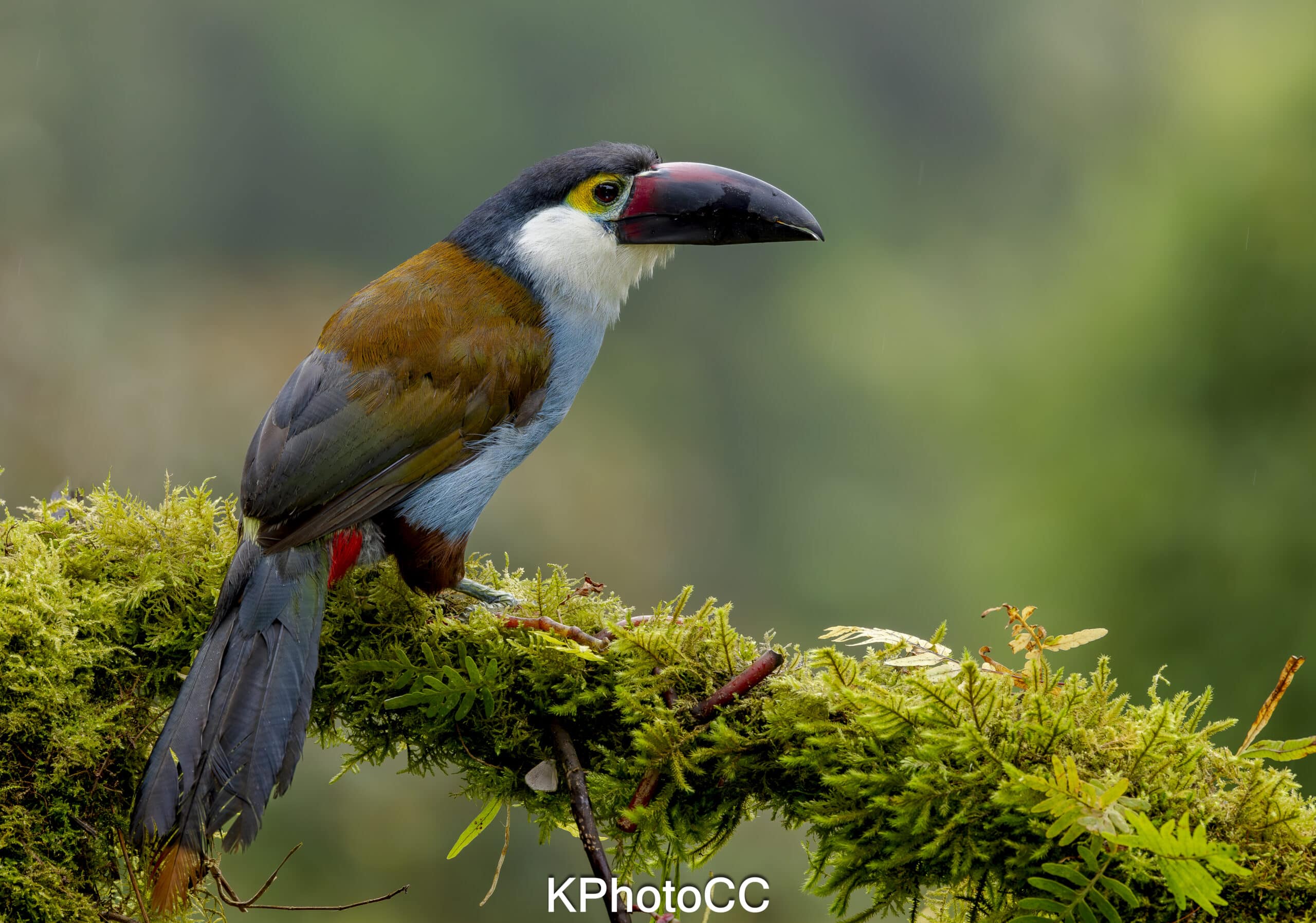
Today, we’ll spend the day exploring around Hacienda El Bosque, a beautiful mix of highland pastures and lush Andean forest that offers some of the best birding in the region. This area is home to an outstanding variety of species, including Andean Guan, White-throated Quail- Dove, Equatorial Antpitta, Gray-breasted Mountain-Toucan, Barred Fruiteater, Gray-browed Brushfinch, Black-crested Warbler, and the Mountain Wren.
We’ll also be searching for a new selection of hummingbirds — the Sparkling Violetear, Shining Sunbeam, Sword-billed Hummingbird, and, with luck, the Purple-backed Thornbill and Buff-tailed Coronet. Among the colorful tanagers, we may spot the Hooded Mountain- Tanager, Masked Flowerpiercer, and possibly a Blue-backed Conebill.
This will be a BIG day with big rewards - we’ll climb to 14,000 feet above sea level to experience spectacular views of Nevado del Ruiz one of the tallest - and still active - volcanoes of South America (5,311m/17,425ft) capped with one of the very few tropical glaciers that still exist only 4.5 degrees north of the equator! We’ll travel to several sites around the mountain in search of unique and amazing highland birds such as the Andean Teal, Andean Duck (a recent split from the Ruddy Duck), and with great good luck - the Andean Condor (Colombia’s National Bird)! We’ll look for the Black-chested Buzzard-Eagle, Rufous-fronted Parakeet, Páramo Tapaculo, Andean Tit-Spinetail, White-throated Tyrannulet, Grass Wren (split a few years ago from the Sedge Wren) and the Plumbeous Sierra Finch. We’ll also have a good chance at viewing some new eye-catching high elevation hummingbirds such as the endemic Buffy Helmetcrest (E), Black-thighed Puffleg
and the Great Sapphirewing.
Let’s make another BIG half-day to explore Los Nevados one more time in search of birds we
may have missed the day before. And, we can add to the list with the following new beauties: the Tawny Antpitta, Stout-billed Cinclodes, Brown-backed Chat-Tyrant, Pale- naped Brushfinch, Plain-color Seedeater and the White-chinned Thistletail. Additional hummingbirds include the Rainbow-bearded Thornbill, Viridian Metaltail and the Golden-
breasted Puffleg. And there are a small number of tanagers at this altitude; the ones we haven’t yet included on the list are the Golden-crowned Tanager and the Glossy Flowerpiercer.
In the late morning/early afternoon we’ll make our way down the mountain to head towards our final birding destination (about three-and-a-half hour’s drive away). We’ll have enough time in the afternoon to settle in and enjoy the surroundings around our beautiful accommodations in the heart of nature at the Santuario de Flora y Fauna Otún-Quimbaya
off the Via la Suiza about an hour southeast of the city of Pereira.
Let’s make our last birding day a great one, and we’ll do that by looking for wonderful birds all day in the Otún-Quimbaya Sanctuary of Fauna and Flora. This lovely intermontane forest reserve in the central Andes holds a number of unique and sometimes rare birds. We’ll start our search with a few birds frequently found here such as the Cauca Guan (E), Southern
Lapwing, Bronze-winged Parrot, Red-ruffed Fruitcrow, Green Jay, Golden-olive Woodpecker, White-capped Dipper, the Blue-and-white and Southern Rough-winged Swallows as well as the Fawn-breasted Tanager and the Yellow-backed Oriole. At the same time let’s keep a sharp eye out for species that can be a little more challenging to find; they include the Torrent Duck, Crimson-crested Woodpecker, Moustached Antpitta (NE), Torrent Tyrannulet, Marble-faced Bristle-Tyrant, Rufous-breasted Flycatcher (NE), Spotted Barbtail and the Whiskered Wren. Super-rare birds at this location include the Hooded Antpitta (NE) (this sanctuary is one of the few places where they are seen), Wattled Guan, Rusty-winged Barbtail and the Variegated Bristle-Tyrant; we’ll certainly give it our best effort.
It’s the end of another fantastic trip with Geonatura Tours; we sincerely hope that you enjoyed yourselves. We’ll transfer to Matecaña International Airport in the city of Pereira (it’s about an hour’s drive from Otún-Quimbaya) where you can prepare for your flight home.
Hasta la proxima, amigos!
- Included & Excluded
- Mentioned nights of lodging
- Mentioned Tours
- English speaking guide
- Visits according to itinerary
- All transfers as per itinerary
- Meals as per itinerary
- Air ticket
- Personal expenses
- Meals, beverages, or any other expenses not mentioned
- Optional excursions
- Tips & Gratuities or any extra Tax not mentioned
- Extend your Trip
- Enquire
- Extend your Trip
- The Western and Central Andes
- Enquire Information
- The Western and Central Andes