

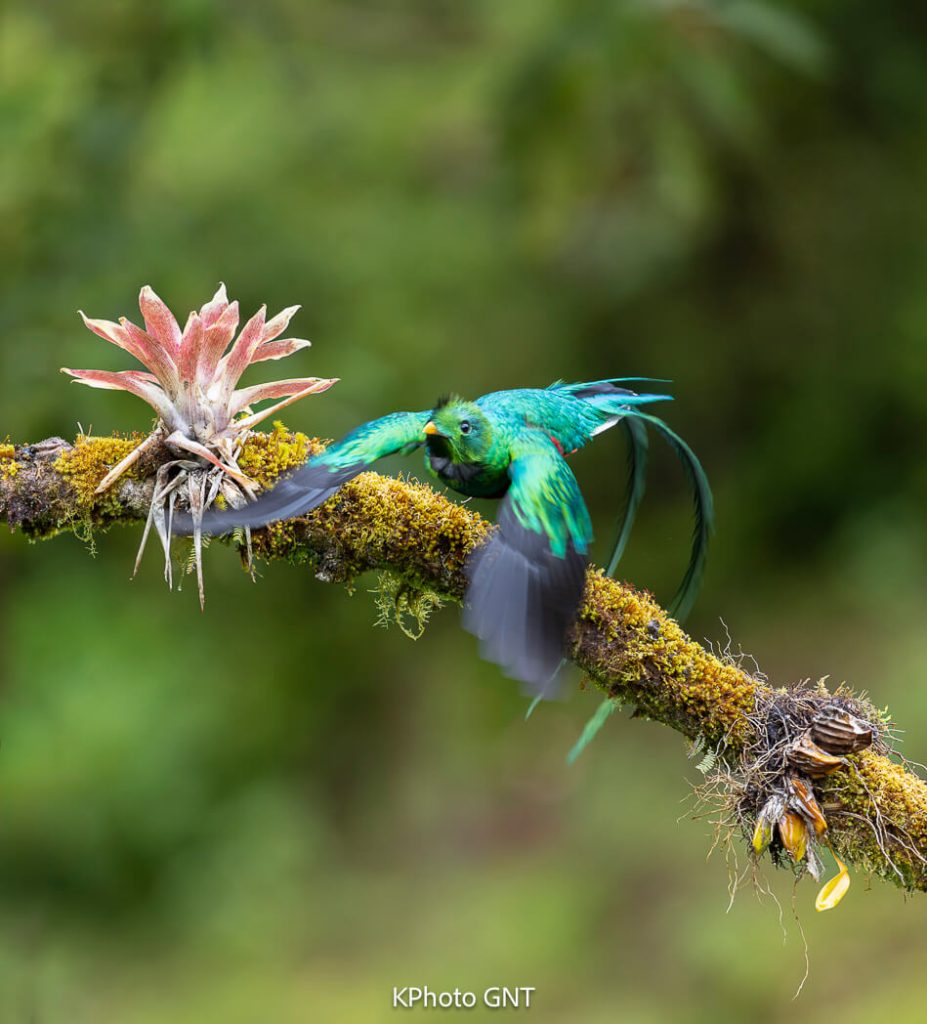
Costa Rica is one of the most efficient birdwatching destinations in the world. With more than 900 recorded species in a country smaller than West Virginia, it offers extraordinary biodiversity within short travel distances.
For travelers planning wildlife-focused vacations, birdwatching in Costa Rica provides access to multiple ecosystems in a single itinerary — lowland rainforest, mist-covered cloud forest, highland oak forest, and coastal wetlands.
Understanding where to go — and when — transforms a good trip into an exceptional one.
What Are the Best Places for Birdwatching in Costa Rica?
The best places for birdwatching in Costa Rica are the Caribbean lowlands, the Talamanca Highlands, and the Osa Peninsula. These regions host the highest concentration of species due to their varied elevations and well-preserved habitats.
The Caribbean Lowlands: Rainforest Biodiversity at Its Peak
The Caribbean slope supports humid tropical rainforest with consistent bird activity year-round.
Key Species of the Caribbean Region
- Great Green Macaw
- Snowcap
- Keel-billed Motmot
- Bare-necked Umbrellabird
- Rufous-tailed Jacamar
Mixed-species flocks move through the canopy during early morning hours. For nature photographers, the filtered rainforest light produces rich, saturated tones ideal for wildlife imagery.
This region is also critical for conservation. The endangered Great Green Macaw depends on mature almond trees for nesting, making habitat preservation essential.
The Talamanca Highlands: Cloud Forest Specialists
The Talamanca mountain range is home to some of the most iconic species in Central America.
Signature Highland Species
- Resplendent Quetzal
- Flame-throated Warbler
- Black-cheeked Warbler (Costa Rican endemic)
- Long-tailed Silky-Flycatcher
These cloud forests, often between 1,800 and 2,500 meters elevation, provide cooler temperatures and moderate trails suitable for many travelers.
The Osa Peninsula: Primary Forest and Intact Ecosystems
The Osa Peninsula protects one of the last extensive tracts of lowland primary rainforest in Central America.
Species Highlights
- Scarlet Macaw
- Black-cheeked Ant-Tanager
- Baird’s Trogon
- White-crested Coquette
Beyond birds, Osa supports tapirs, monkeys, and intact predator-prey systems — rare in today’s fragmented tropical landscapes.
For natural history travel, this region offers immersion in functioning rainforest ecology.
When Is the Best Time for Birdwatching in Costa Rica?
The best time for birdwatching in Costa Rica is during the dry season from December to April, when weather is more stable and bird activity increases during nesting season.
Seasonal Highlights
December–April
- More predictable weather
- Increased vocal activity
- Easier road access
March–April
- Active breeding behavior
- Excellent photography light
- High diversity including migrants
Migration periods in September–October and March–April also add North American species to the mix.
How Many Bird Species Are in Costa Rica?
Costa Rica has recorded over 900 bird species, making it one of the most biodiverse countries in the world relative to its size.
This exceptional diversity is due to its position between North and South America, combined with dramatic elevation changes across short distances.
Practical Tips for Birdwatching in Costa Rica
- Start early — activity peaks between 6:00 and 9:30 AM.
- Choose lodges located within or near primary habitat.
- Use binoculars with strong low-light performance.
- Allow time for elevation transitions — species change dramatically by altitude.
- Travel with experienced local guides to interpret vocalizations and behavior.
Small group nature tours allow flexibility in the field, especially when mixed flocks appear unexpectedly.
Conservation and Responsible Birdwatching
Birdwatching in Costa Rica directly supports conservation when conducted responsibly.
Protected areas, private reserves, and biological corridors are funded in part through ecotourism revenue.
Ethical field practices include:
- Avoid excessive playback.
- Maintain respectful distance.
- Support conservation-driven lodges and reserves.
- Choose operators committed to sustainable tourism.
Responsible wildlife observation strengthens long-term habitat protection.
Why Expert Guidance Makes a Difference
In tropical ecosystems, identification is only the beginning.
Why do hummingbirds defend certain flowering territories?
Why do mixed flocks maintain canopy structure?
How does elevation influence species distribution?
Expert naturalist guides connect these ecological patterns, transforming a checklist into a deeper learning experience.
For travelers seeking meaningful wildlife and biodiversity encounters, interpretation is essential.
Plan Your Birdwatching Journey in Costa Rica
Costa Rica offers extraordinary biodiversity, but designing an efficient itinerary across multiple ecosystems requires local knowledge and strategic planning.
If you are considering a birdwatching vacation in Costa Rica — whether as a private group, photography-focused expedition, or small group nature tour — we would be pleased to help you organize it thoughtfully.
At GeoNatura Tours, we specialize in carefully designed birdwatching experiences in Costa Rica, Colombia, and Guatemala, led by expert naturalist guides and structured around conservation-focused travel principles.
If you would like assistance planning your group trip or customizing a wildlife itinerary, contact us directly.
Tell us your preferred travel dates, interests, and goals — and we will help you design a birdwatching journey that reflects your passion for natural history and biodiversity.
📩 Contact GeoNatura Tours today to begin planning your Costa Rica birdwatching experience.
The forest is waiting — and we would be honored to guide you through it.



